Most Durable Siding A Homeowners Guide
Most durable siding isn’t just about aesthetics; it’s about long-term value and peace of mind. Choosing the right siding material significantly impacts your home’s protection, curb appeal, and overall cost of ownership. This guide dives into the factors that determine siding durability, exploring various materials, installation techniques, and maintenance strategies to help you make an informed decision.
We’ll compare common siding options like vinyl, fiber cement, wood, metal, and engineered wood, considering their lifespan, maintenance needs, and cost. We’ll also examine how climate and proper installation play crucial roles in maximizing your siding’s longevity. By the end, you’ll be equipped to choose the most durable and cost-effective siding for your home, ensuring it stands the test of time.
Defining Durability in Siding Materials
Siding durability is crucial for protecting your home and maintaining its curb appeal. It’s not simply about how long the siding lasts before needing replacement, but also its ability to withstand various environmental stressors and retain its aesthetic qualities over time. Several interconnected factors determine a siding material’s overall durability.
Understanding the factors that contribute to siding durability involves analyzing its resistance to the elements and its ability to withstand physical stress. This includes assessing how well it resists damage from weather, impacts, and the degrading effects of prolonged sun exposure. Testing methods help quantify these resistances, providing valuable data for consumers and builders. The long-term performance of your siding directly relates to the quality of these resistance properties.
Weather Resistance
Weather resistance encompasses a siding’s ability to withstand rain, snow, ice, wind, and extreme temperatures without significant damage or degradation. Materials like vinyl siding often demonstrate excellent water resistance due to their non-porous nature. However, even vinyl can be affected by prolonged exposure to extreme cold, potentially becoming brittle and cracking. Conversely, wood siding, while naturally beautiful, requires regular maintenance and protective treatments to prevent rot, water damage, and insect infestation. The impact of weather on siding’s long-term performance can manifest in warping, fading, cracking, and ultimately, the need for premature replacement.
Impact Resistance
Impact resistance measures a siding material’s ability to withstand physical damage from impacts, such as hail, falling debris, or accidental bumps. Fiber cement siding, for example, is known for its high impact resistance due to its composite nature. This material is significantly stronger than vinyl and can withstand impacts that would likely damage other siding types. Conversely, softer materials like aluminum siding are more susceptible to dents and scratches. The long-term consequences of poor impact resistance can range from unsightly blemishes to structural damage requiring costly repairs.
UV Degradation
Ultraviolet (UV) radiation from sunlight can cause significant degradation in many siding materials. This degradation manifests as fading, discoloration, and embrittlement. Some materials, such as high-quality vinyl siding with UV inhibitors, are designed to resist UV degradation more effectively. However, even these materials will eventually show some signs of fading over many years of sun exposure. Untreated wood siding is particularly vulnerable, experiencing rapid color change and surface cracking without proper protection. Long-term exposure to UV radiation leads to reduced aesthetic appeal and compromises the structural integrity of the siding, shortening its lifespan.
Durability Testing Methods
Several standardized tests are used to assess the durability of siding materials. These tests simulate real-world conditions to quantify resistance to weather, impact, and UV degradation. For instance, accelerated weathering tests expose samples to intense UV radiation and cycles of temperature and humidity, mimicking years of outdoor exposure in a much shorter timeframe. Impact resistance is often measured using a standardized impact testing machine that delivers controlled blows to the siding material. The results of these tests provide valuable information about a material’s expected lifespan and performance under various conditions. These test results are often incorporated into product specifications and contribute to consumer decision-making.
Common Siding Materials and Their Durability
Source: majesticexteriors.com
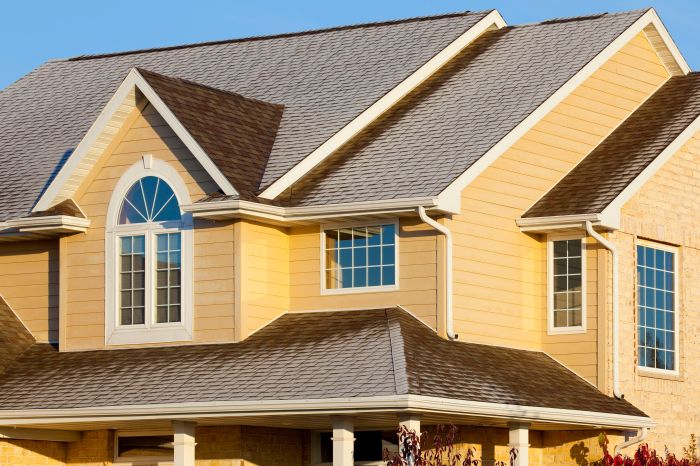
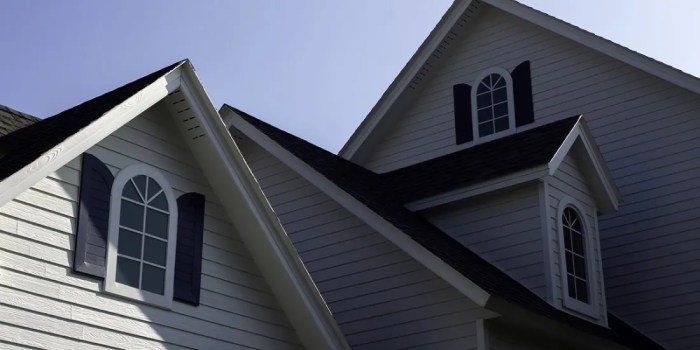
Choosing the right siding for your home is a significant decision, that impacts both its aesthetic appeal and longevity. Understanding the durability of different siding materials is crucial for making an informed choice that balances cost, maintenance, and lifespan. This section explores common siding options, comparing their durability characteristics.
Siding Material Durability Comparison
The following table provides a comparison of common siding materials based on their lifespan, maintenance needs, and approximate cost. Remember that actual costs can vary significantly based on location, labor costs, and specific product choices. Lifespan estimates are averages and can be affected by climate, installation quality, and maintenance practices.
| Material | Lifespan (Years) | Maintenance Requirements | Cost (Approximate per sq ft) |
|---|---|---|---|
| Vinyl | 20-40 | Low; occasional cleaning | $3-$8 |
| Fiber Cement | 50-80 | Moderate; periodic painting/sealing | $8-$15 |
| Wood | 20-50+ (depending on type and maintenance) | High; regular painting, staining, and potential repairs | $7-$15+ |
| Metal (Aluminum, Steel) | 40-75+ | Low; occasional cleaning and repainting (for steel) | $8-$15+ |
| Engineered Wood | 30-50 | Moderate; periodic painting/sealing | $5-$12 |
Visual Representation of Siding Materials
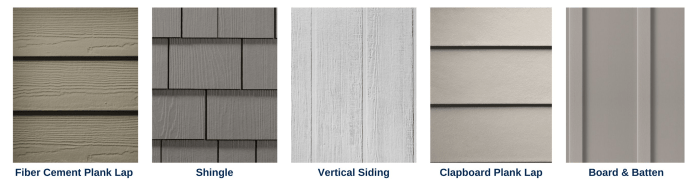
Visual differences in siding materials directly relate to their durability. Consider the following descriptions:
* Vinyl: Typically smooth and uniform in texture. While durable against impact and moisture, it can be susceptible to scratches and dents, showing imperfections more readily than textured materials. Color is consistent but can fade slightly over time due to UV exposure.
* Fiber Cement: Often has a textured surface designed to mimic wood, stone, or stucco. This texture masks minor imperfections and adds to its overall durability and visual appeal. It’s typically more resistant to scratches and dents than vinyl.
* Wood: Exhibits natural variations in grain, texture, and color. While aesthetically pleasing, these variations also highlight potential weaknesses. Wood’s susceptibility to rot, insect damage, and weathering requires consistent maintenance to ensure its longevity.
* Metal: Presents a smooth, consistent surface. Aluminum siding is generally lighter and less prone to dents, while steel siding, while more durable, can be susceptible to rust and requires a protective coating. The consistent surface provides a clean, modern look.
* Engineered Wood: Mimics the look of natural wood but with enhanced durability through composite materials. The texture is often more consistent than natural wood, minimizing the appearance of imperfections, but may still show some grain variation depending on the manufacturing process.
Advantages and Disadvantages of Siding Materials
Each siding material offers a unique set of advantages and disadvantages regarding durability and overall performance.
* Vinyl: Advantages include low maintenance, affordability, and a wide range of colors and styles. Disadvantages include susceptibility to dents and scratches, potential for fading, and a less premium aesthetic compared to other options.
* Fiber Cement: Advantages include exceptional durability, resistance to fire, insects, and rot, and a premium aesthetic. Disadvantages include higher cost, heavier weight requiring more robust installation, and the need for periodic painting or sealing.
* Wood: Advantages include a classic aesthetic appeal, natural insulation properties, and repairability. Disadvantages include high maintenance requirements, susceptibility to rot, insect damage, and weathering, and relatively shorter lifespan compared to other durable options unless meticulously maintained.
* Metal: Advantages include exceptional durability, resistance to fire, insects, and rot, and relatively low maintenance. Disadvantages include the potential for dents (aluminum), rust (steel without proper coating), and higher initial cost.
* Engineered Wood: Advantages include a balance between cost, durability, and aesthetic appeal, mimicking the look of natural wood with improved resistance to rot and insects. Disadvantages include susceptibility to moisture damage if not properly installed and maintained, and a shorter lifespan than fiber cement or metal.
Impact of Climate and Installation on Durability
Source: eliteservicesinc.com
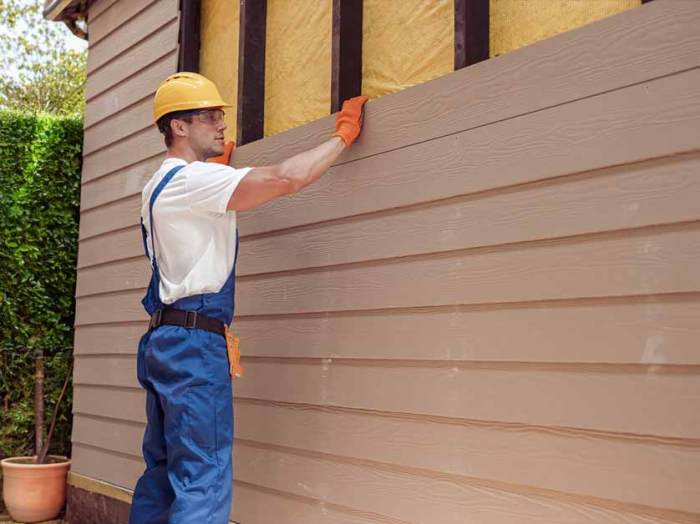
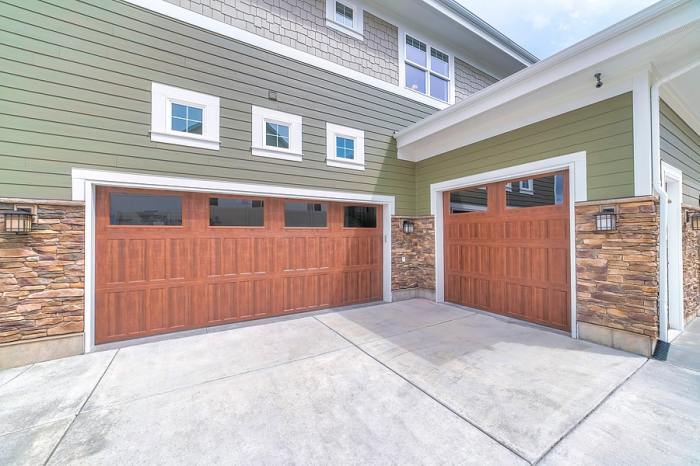
Choosing the most durable siding is only half the battle. The longevity of your siding investment heavily depends on both the climate it endures and the skill of its installation. Understanding these factors is crucial for maximizing the lifespan of your home’s exterior. Ignoring them can lead to premature damage and costly repairs, regardless of the siding material’s inherent strength.
Climate significantly influences a siding’s lifespan. Extreme weather events, persistent moisture, and fluctuating temperatures all contribute to wear and tear. The interaction between these factors and the siding material determines its rate of degradation.
Climatic Factors Affecting Siding Durability
Various climatic conditions accelerate the deterioration of siding. Extreme temperature swings, for instance, cause expansion and contraction, potentially leading to cracking or warping, especially in materials like vinyl or wood. High humidity fosters the growth of mold and mildew, disfiguring the siding and potentially compromising its structural integrity. Prolonged exposure to intense UV radiation from sunlight can fade and degrade the color and strength of many siding types, including painted wood and some composites. Finally, heavy rainfall and snow loads can put stress on the siding, leading to damage, particularly if proper installation and drainage are not in place. For example, a home in a desert climate might experience significant thermal cycling, leading to faster degradation of vinyl siding compared to a home in a more temperate climate. Similarly, a coastal home exposed to constant salt spray will suffer more rapid deterioration than an inland home, regardless of siding material.
Best Installation Practices for Maximizing Siding Lifespan
Proper installation is paramount to ensuring the longevity of any siding. This involves meticulous preparation of the underlying surface, accurate measurement and cutting, and careful adherence to the manufacturer’s instructions. For example, ensuring a proper moisture barrier behind the siding prevents water damage. Correct flashing around windows and doors prevents water penetration, a major cause of rot and damage. Proper ventilation behind the siding helps prevent moisture buildup. Using appropriate fasteners and ensuring proper spacing is also crucial to avoid damage from expansion and contraction. Different siding types require specific installation techniques. For instance, wood siding needs proper sealing and painting to protect it from moisture, while vinyl siding requires careful expansion and contraction allowance to avoid warping. The use of high-quality caulk and sealants is essential in all siding types to prevent water intrusion.
Impact of Improper Installation on Siding Durability
Neglecting proper installation techniques can drastically shorten the lifespan of even the most durable siding materials. Improper flashing, for instance, can lead to water intrusion, causing rot in wood siding or mold growth in any type of siding. Inadequate ventilation can trap moisture, accelerating decay and damage. Using incorrect fasteners or failing to account for expansion and contraction can result in cracking, warping, or detachment of the siding. Poorly prepared substrates can lead to uneven surfaces, causing stress points and premature failure. For instance, if wood siding is installed directly onto a damp surface, the wood will quickly rot, leading to early replacement. Similarly, improper fastening of vinyl siding can cause it to buckle and crack during temperature fluctuations. These issues can quickly lead to expensive repairs and ultimately necessitate premature replacement of the siding.
Maintenance and Repair of Durable Siding
Source: everlastconstructionmn.com
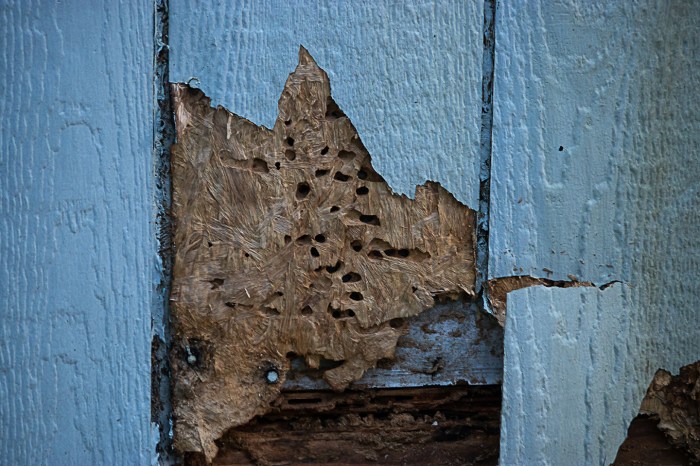
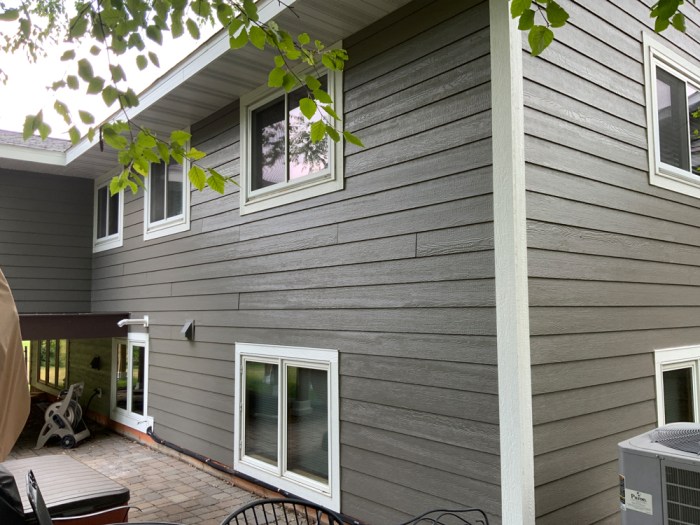
Proper maintenance and timely repairs are crucial for extending the lifespan of your siding, regardless of the material. Neglecting these aspects can lead to costly repairs down the line and even compromise the structural integrity of your home. Regular inspections and proactive measures are key to keeping your siding looking its best and performing optimally.
Routine Maintenance Tasks
Regular maintenance varies slightly depending on your siding material, but many tasks are universal. Consistent care prevents small problems from escalating into major issues.
- Annual Cleaning: Wash your siding at least once a year, using a gentle detergent and a soft-bristled brush or pressure washer (low-pressure setting). This removes dirt, mildew, and other debris that can accumulate and damage the surface. For vinyl siding, avoid using harsh chemicals that can dull the finish. For wood siding, consider a specialized wood cleaner.
- Inspection for Damage: During cleaning, carefully inspect your siding for cracks, dents, loose or missing pieces, or signs of insect infestation. Address any issues promptly to prevent further damage.
- Caulk and Sealant Checks: Regularly check caulking around windows, doors, and other areas where siding meets other building components. Replace any cracked or missing caulk to prevent water penetration.
- Gutter and Downspout Maintenance: Ensure your gutters and downspouts are clean and functioning properly to divert water away from your home’s foundation and siding. Clogged gutters can lead to water damage.
- Trim and Landscaping: Keep shrubs and trees trimmed back from your siding to prevent scratching and moisture buildup. Overgrown vegetation can also harbor pests.
Repairing Common Siding Damage
Addressing damage quickly minimizes the extent of repairs needed. Here’s how to tackle some common issues:
- Cracks: For small cracks in vinyl or fiber cement siding, you can often use a high-quality exterior-grade caulk that matches the siding color. Clean the crack thoroughly, apply the caulk smoothly, and allow it to cure completely. Larger cracks may require professional repair or siding replacement.
- Dents: Minor dents in vinyl siding can sometimes be carefully popped back out using a putty knife or similar tool. For more significant dents, replacement of the damaged panel is usually necessary. Wood siding dents may require wood filler and repainting.
- Discoloration: Mildew and algae can cause discoloration. Cleaning with a solution of bleach and water (following manufacturer instructions) often resolves this. For stubborn stains, consider pressure washing, but use caution to avoid damaging the siding. Persistent discoloration may require repainting or replacing the affected area.
Preventative Measures
Taking steps to protect your siding from damage is essential for long-term durability.
- Proper Installation: Professional installation is vital. Improperly installed siding is more susceptible to damage from wind, water, and other elements.
- Storm Protection: During severe weather, consider taking preventative measures like boarding up windows or protecting vulnerable areas with temporary coverings. This can prevent damage from flying debris.
- Regular Cleaning: As mentioned earlier, regular cleaning removes dirt and debris that can scratch or damage the siding over time.
- Protecting from Impact: Consider installing protective barriers or padding in areas prone to impacts, such as near driveways or play areas. This can prevent accidental damage from vehicles or sports equipment.
Cost-Effectiveness of Durable Siding Options
Source: exploremanor.com
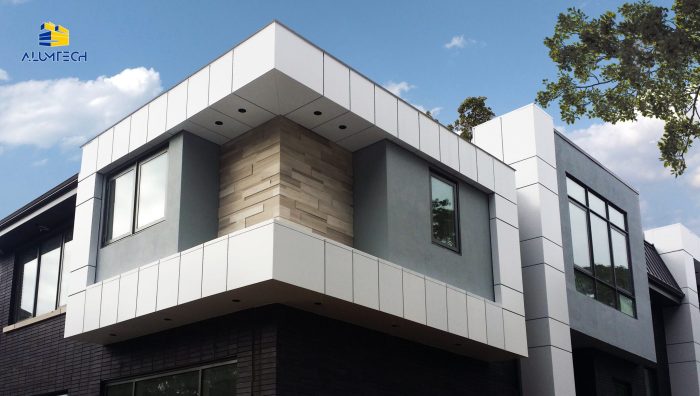
Choosing siding isn’t just about aesthetics; it’s a significant investment impacting your home’s value and your wallet over the years. Understanding the long-term cost-effectiveness of different durable siding options is crucial for making an informed decision. This involves comparing upfront costs with ongoing maintenance expenses to determine the true total cost of ownership.
Let’s explore how the initial purchase price and long-term maintenance costs of various durable siding materials influence the overall cost-effectiveness over a typical 20-year lifespan. We’ll examine how different maintenance practices and material choices affect the total cost of ownership, and ultimately, the return on investment.
Initial Costs and Long-Term Maintenance of Different Siding Materials, Most Durable Siding
The initial cost of siding varies greatly depending on the material. For instance, vinyl siding is typically the most affordable upfront, while fiber cement and brick often command higher initial prices. However, this initial cost difference doesn’t tell the whole story. Consider a hypothetical 2000-square-foot home. Vinyl siding might cost $8,000-$12,000 to install, while fiber cement could range from $15,000-$25,000, and brick even higher. Over 20 years, however, the maintenance costs drastically shifted the equation. Vinyl might require repainting or minor repairs every 10-15 years, costing a few thousand dollars each time. Fiber cement, while more expensive initially, typically requires less maintenance and lasts much longer, minimizing long-term expenses. Brick, though initially the most expensive, usually demands minimal maintenance beyond occasional cleaning, representing significant long-term cost savings.
Total Cost of Ownership Calculations Over 20 Years
To illustrate the total cost of ownership, let’s use simplified examples. Assume the following costs over 20 years:
| Siding Material | Initial Cost | Maintenance Cost (20 years) | Total Cost of Ownership (20 years) |
|---|---|---|---|
| Vinyl | $10,000 | $4,000 (two repainting jobs) | $14,000 |
| Fiber Cement | $20,000 | $1,000 (minor repairs) | $21,000 |
| Brick | $30,000 | $500 (cleaning) | $30,500 |
These are simplified examples and actual costs can vary significantly based on factors like labor costs, material quality, and regional pricing.
Return on Investment for Durable Siding
The return on investment (ROI) from choosing durable siding comes from several factors: reduced maintenance costs, increased home value, and longer lifespan before needing replacement. While the initial investment might be higher for materials like fiber cement or brick, the reduced long-term maintenance and increased longevity translate to a better ROI over the 20 years. A home with durable siding is generally more attractive to buyers, commanding a higher resale value. This increased value at the time of sale partially or fully offsets the higher initial investment. For example, if a home with fiber cement siding sells for $10,000 more than a comparable home with vinyl siding, the additional upfront cost of fiber cement is largely negated.
Sustainability and Environmental Impact
Choosing sustainable siding isn’t just about aesthetics; it’s about minimizing your environmental footprint throughout the material’s entire lifecycle. From manufacturing to disposal, each siding material carries a different environmental burden. Understanding this impact is crucial for making informed, eco-conscious decisions.
The environmental impact of siding encompasses several key factors, including the energy consumed during manufacturing, the resources used, the emissions released into the atmosphere, and the potential for recycling or responsible disposal at the end of the material’s lifespan. Different siding materials have varying impacts across these factors, and a thorough lifecycle assessment is needed for a complete understanding.
Manufacturing and Disposal Processes
Manufacturing processes for various siding materials differ significantly, leading to varying levels of environmental impact. For example, vinyl siding production is energy-intensive and relies heavily on fossil fuels, resulting in significant greenhouse gas emissions. Wood siding, while a renewable resource, can involve deforestation if not sourced sustainably. The manufacturing of metal siding, often from recycled materials, generally has a lower carbon footprint compared to vinyl, but transportation and processing still contribute to its overall impact. Disposal also varies: vinyl siding is not readily recyclable in many areas, leading to landfill accumulation. Wood siding can be repurposed or burned for energy (though this has its own emissions considerations), while metal siding is often recyclable.
Embodied Carbon and Recyclability
Embodied carbon refers to the total greenhouse gas emissions associated with a product’s entire lifecycle, from raw material extraction to manufacturing, transportation, installation, and eventual disposal. Materials with high embodied carbon, such as vinyl siding, contribute significantly to climate change. Recyclability is another critical sustainability factor. Metal siding boasts high recyclability rates, making it a more environmentally friendly option at the end of its life. Wood siding’s recyclability depends heavily on its condition and the availability of local recycling programs. Vinyl siding’s low recyclability rate contributes significantly to its negative environmental impact.
Lifecycle Assessment Comparison
A lifecycle assessment (LCA) compares the environmental impacts of different siding materials across their entire lifecycles. While precise figures vary depending on factors like manufacturing processes and transportation distances, general trends emerge. Studies have shown that fiber cement siding often exhibits a lower embodied carbon footprint compared to vinyl siding. Metal siding, particularly when made from recycled content, generally performs well in LCA studies, particularly if end-of-life recycling is considered. However, the environmental impact of wood siding can vary greatly depending on the source of the wood and the management practices employed in its harvesting and processing. Sustainable forestry practices are key to minimizing the environmental impact of wood siding. For example, a study by the University of California, Berkeley, compared the life-cycle impacts of different building materials and found that sustainably sourced wood performed favorably compared to other materials, including some metals and plastics. This illustrates how responsible sourcing and manufacturing can significantly alter the environmental profile of a building material.
Ending Remarks
Ultimately, selecting the most durable siding involves careful consideration of your budget, climate, aesthetic preferences, and long-term maintenance commitment. While initial costs might vary, investing in high-quality, durable siding often translates to lower long-term expenses and increased property value. Remember, proper installation and regular maintenance are key to maximizing the lifespan of any siding material, regardless of its inherent durability. By understanding these factors, you can confidently choose the perfect siding to protect and enhance your home for years to come.
Common Queries: Most Durable Siding
What is the average lifespan of different siding materials?
Lifespans vary greatly. Vinyl siding can last 20-30 years, fiber cement 50+ years, wood 20-50 years (depending on the type and maintenance), metal 40+ years, and engineered wood 30-40 years.
Can I install the siding myself?
While DIY is possible for some materials, professional installation is strongly recommended for optimal durability and warranty coverage. Improper installation can void warranties and lead to premature damage.
How often should I clean my siding?
Regular cleaning, ideally once or twice a year, helps prevent dirt and grime buildup, extending the siding’s lifespan. Use a soft brush, mild detergent, and a garden hose. Avoid harsh chemicals.
What are the signs of siding damage that require repair?
Look for cracks, dents, discoloration, loose or missing pieces, and water damage. Address these issues promptly to prevent further damage.
How much does professional siding installation typically cost?
Costs vary significantly based on material choice, house size, and labor rates. Get multiple quotes from reputable contractors for accurate pricing.