Most Durable Siding for House A Buyers Guide
Most durable siding for a house? It’s a bigger decision than you might think! Choosing the right siding isn’t just about aesthetics; it’s about protecting your biggest investment for decades to come. This guide dives into the world of long-lasting siding materials, exploring their pros and cons, costs, and maintenance needs to help you make an informed choice. We’ll cover everything from fiber cement and vinyl to metal siding, considering factors like climate, budget, and your home’s architectural style.
We’ll break down the lifespan, manufacturing processes, and aesthetic appeal of various options, helping you weigh the benefits of each material. We’ll also look at how environmental factors and proper installation impact durability, providing tips for maintenance and long-term cost savings. By the end, you’ll be equipped to choose the siding that best suits your needs and provides lasting beauty and protection for your home.
Types of Durable Siding
Choosing the right siding for your house is a significant investment, impacting both its aesthetic appeal and longevity. Durability is key, and understanding the characteristics of different siding materials is crucial for making an informed decision. This section will explore several durable siding options, comparing their lifespans, manufacturing processes, and aesthetic qualities.
Durable Siding Materials Comparison
The table below summarizes the pros and cons of five common, durable siding materials. Lifespans are estimates and can vary based on climate, maintenance, and installation quality.
| Material | Lifespan (Years) | Pros | Cons |
|---|---|---|---|
| Fiber Cement | 50-80+ | Durable, fire-resistant, low maintenance, paintable, insect-resistant | Can be brittle, more expensive than vinyl, and requires professional installation |
| Vinyl | 20-40 | It is affordable, low maintenance, easy to install, and comes in various colors and styles. | Can fade or crack in extreme temperatures, is less durable than fiber cement or brick, not as aesthetically pleasing to some. |
| Brick | 100+ | Extremely durable, fire-resistant, low maintenance, aesthetically pleasing | Expensive, labor-intensive installation, difficult to repair |
| Metal (Aluminum or Steel) | 40-75+ | Durable, fire-resistant, low maintenance, resistant to pests and rot | Can dent, susceptible to scratches, can be noisy in rain or hail, can be more expensive than vinyl |
| Engineered Wood | 30-50 | Durable, and relatively inexpensive, can mimic the look of natural wood | Requires regular maintenance, susceptible to moisture damage if not properly sealed and maintained, may not be as fire-resistant as other options |
Manufacturing Processes and Durability
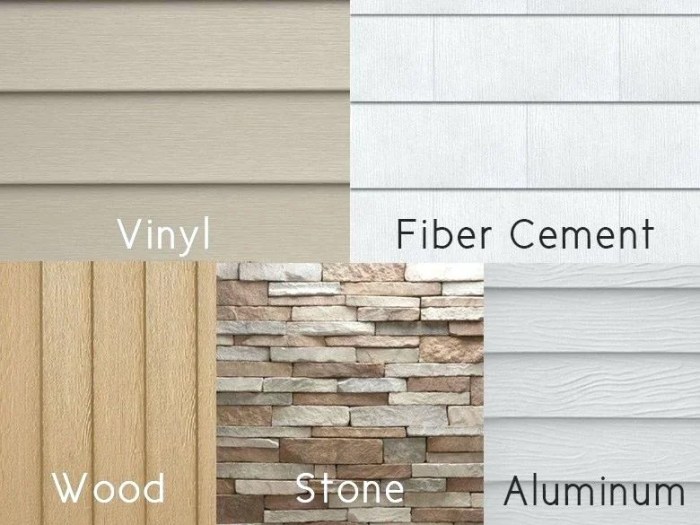
The manufacturing process significantly impacts a siding material’s durability. Fiber cement siding, for instance, is made by combining cement, cellulose fibers, and other additives. This composite material offers superior strength and resistance to fire, rot, and insects. Vinyl siding is extruded from polyvinyl chloride (PVC) resin, a thermoplastic polymer. Its durability depends on the quality of the PVC and the additives used to enhance its properties like UV resistance. Brick manufacturing involves shaping and firing clay, resulting in a highly durable, fire-resistant product. Metal siding is produced from rolled aluminum or steel sheets, often coated with protective layers to enhance their durability and resistance to corrosion. Engineered wood siding combines wood fibers with resins and waxes to create a more stable and durable product than natural wood.
Aesthetic Qualities and Architectural Styles
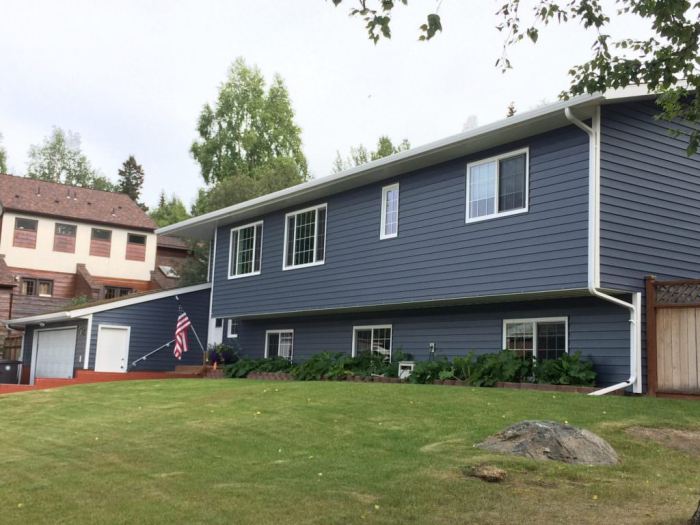
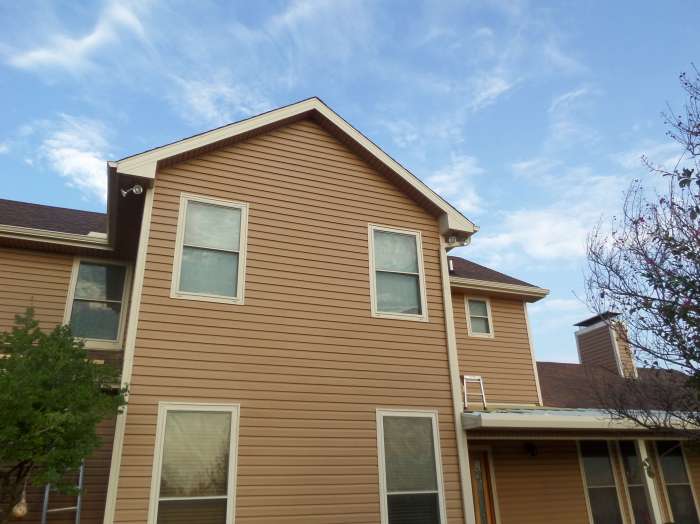
Siding materials offer diverse aesthetic qualities. Brick, for example, provides a classic, timeless look suitable for various architectural styles, from traditional to modern. Fiber cement siding offers versatility, capable of mimicking the look of wood, stone, or stucco, making it adaptable to different styles. Vinyl siding comes in a wide array of colors and textures, providing affordability and design flexibility, though it may not appeal to those seeking a more high-end aesthetic. Metal siding can have a sleek, contemporary look, particularly in aluminum, while steel siding can be more industrial-looking. Engineered wood siding often attempts to replicate the appearance of natural wood, providing a warm and rustic feel. The choice depends heavily on personal preference and the desired architectural style of the home.
Factors Affecting Siding Durability
Source: thespruce.com
Your siding’s lifespan isn’t just about the material itself; it’s heavily influenced by environmental conditions and how well it’s installed and maintained. Understanding these factors is crucial for making informed decisions about your home’s exterior and ensuring a long-lasting, attractive finish.
Environmental factors significantly impact siding durability, accelerating wear and tear and potentially reducing its lifespan considerably. Ignoring these factors can lead to premature damage and costly repairs.
Environmental Factors Affecting Siding Lifespan
Five key environmental factors significantly affect siding durability: sun exposure, moisture, temperature fluctuations, wind, and insect infestation. These elements, acting individually or in combination, can cause a range of problems, from fading and cracking to rotting and structural damage.
- Sun Exposure: Prolonged exposure to ultraviolet (UV) radiation from the sun causes fading, discoloration, and degradation of many siding materials, particularly vinyl and painted wood. The intensity of the sun’s rays varies geographically, with southern-facing walls experiencing the most significant impact.
- Moisture: Excessive moisture, whether from rain, snow, or humidity, can lead to swelling, warping, rotting (especially in wood siding), and the growth of mold and mildew. Poor drainage around the foundation exacerbates this problem.
- Temperature Fluctuations: Repeated cycles of freezing and thawing can cause expansion and contraction in siding materials, leading to cracking and damage, especially in areas with harsh winters. This is particularly relevant for less flexible materials.
- Wind: High winds can damage siding through direct impact from debris or by causing stress on improperly installed siding, leading to loosening, cracking, or even complete detachment. Coastal areas and regions prone to strong winds are particularly vulnerable.
- Insect Infestation: Certain insects, such as termites and carpenter ants, can bore into wood siding, causing structural damage and weakening the material. Regular inspections and preventative treatments are essential to mitigate this risk.
Role of Proper Installation Techniques
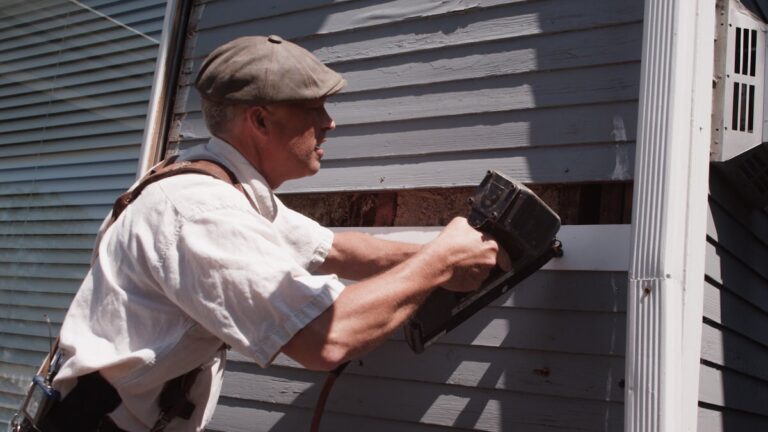
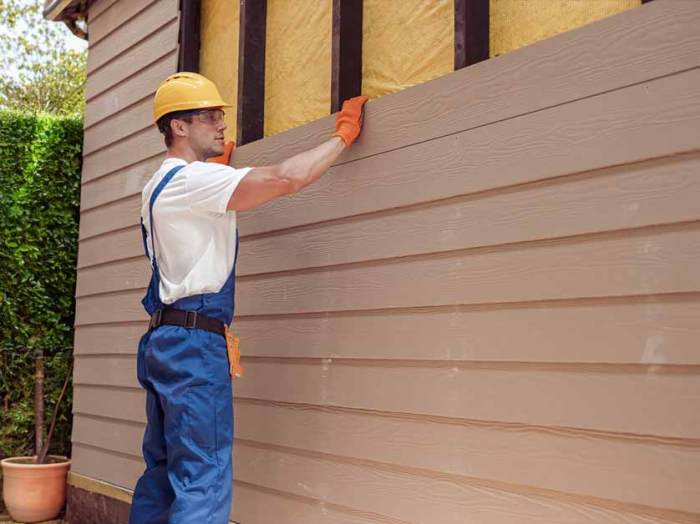
Proper installation is paramount to ensuring long-term siding durability. Skilled installation minimizes exposure to the elements and prevents issues that can shorten the siding’s lifespan. Cutting corners during installation can lead to significant problems down the line, resulting in costly repairs or premature replacement.
- Use proper flashing and sealing around windows and doors to prevent water penetration.
- Ensure adequate ventilation behind the siding to prevent moisture buildup.
- Follow the manufacturer’s instructions precisely for installation methods and fastener placement.
- Maintain proper spacing and alignment of siding panels to allow for expansion and contraction.
- Use high-quality fasteners and sealants designed for the specific siding material.
Siding Maintenance Procedures
Regular maintenance significantly extends the life of your siding, regardless of the material. A proactive approach helps prevent minor issues from escalating into major problems. The frequency and type of maintenance will vary depending on the siding material and environmental conditions.
| Siding Material | Maintenance Task | Frequency | Description |
|---|---|---|---|
| Wood | Cleaning | Annually | Wash with a mild detergent and water to remove dirt, mildew, and algae. Consider applying a protective sealant every few years. |
| Vinyl | Cleaning | Annually | Wash with a mild detergent and water to remove dirt and grime. Avoid harsh chemicals or abrasive cleaners. |
| Fiber Cement | Inspection | Semi-annually | Check for cracks, damage, or loose fasteners. Repair or replace damaged sections promptly. |
| Aluminum | Cleaning | Annually | Wash with a mild detergent and water. Avoid abrasive cleaners that can scratch the surface. |
Cost and Maintenance Considerations: Most Durable Siding For House
Choosing the right siding isn’t just about durability; it’s also about managing the costs involved. This includes the initial investment and the ongoing expenses of maintenance and potential repairs over the lifespan of your home’s exterior. Understanding these costs is crucial for making a financially sound decision.
Let’s break down the financial aspects of different durable siding options. We’ll compare initial costs, explore long-term maintenance needs, and even look at a simple cost-benefit analysis to help you visualize the big picture.
Initial Costs of Durable Siding Materials
The initial cost of siding varies significantly depending on the material. While some options offer lower upfront costs, others demand a larger initial investment. This difference is often reflected in the material’s durability and longevity. The following illustrates a relative comparison of initial costs, depicted as a bar chart using text.
Relative Cost Comparison (Lowest to Highest):
Vinyl Siding: ———————— (Lowest)
Fiber Cement Siding: ————————————
Engineered Wood Siding: —————————————–
Metal Siding: —————————————————
Brick (considered siding in some applications): —————————————————————- (Highest)
Note: This is a general representation and actual costs can vary based on factors like region, labor costs, and specific product choices.
Long-Term Maintenance Costs
Ongoing maintenance costs are a critical factor in the total cost of ownership for any siding. Regular cleaning, occasional repairs, and eventual replacements all contribute to the long-term financial burden. Different siding materials require varying levels of maintenance.
- Vinyl Siding: Generally low maintenance. Requires occasional cleaning and occasional repairs for minor damage. Replacement costs are relatively low.
- Fiber Cement Siding: Moderate maintenance. Requires periodic painting to maintain appearance and protect from the elements. Repairs can be more costly than vinyl, but the material itself is very durable.
- Engineered Wood Siding: Moderate to high maintenance. Requires regular cleaning, painting, and potential caulking to prevent water damage. Repairs can be significant.
- Metal Siding: Low maintenance. Requires occasional cleaning. Repairs are usually straightforward, but replacement of large sections can be costly.
- Brick Siding: Very low maintenance. Generally requires only occasional cleaning and occasional pointing (re-grouting) of mortar.
Cost-Benefit Analysis: Fiber Cement vs. Vinyl Siding (20-Year Period)
Let’s compare two high-durability options: fiber cement and vinyl siding, over 20 years. This analysis simplifies many factors, but it highlights the importance of considering long-term costs.
- Fiber Cement:
- Initial Cost: $15,000 (Example)
- Annual Maintenance: $200 (Cleaning and minor repairs)
- Major Repair/Replacement (estimated once): $2,000 (at year 15)
- Total Cost Over 20 Years: $15,000 + (20 x $200) + $2,000 = $19,400
- Vinyl Siding:
- Initial Cost: $8,000 (Example)
- Annual Maintenance: $50 (Cleaning)
- Major Repair/Replacement (estimated once): $1,000 (at year 15)
- Total Cost Over 20 Years: $8,000 + (20 x $50) + $1,000 = $9,000
This example shows vinyl siding as a potentially less expensive option over 20 years, but the higher durability and longevity of fiber cement could offset this in the long run if a complete replacement was needed sooner with vinyl. Actual costs will vary widely depending on numerous factors.
Specific Siding Material Deep Dives
Source: jlbuilding.com
Now that we’ve covered the basics of siding durability, let’s dive deeper into the specifics of some popular choices. Understanding the unique properties of each material will help you make the best decision for your home. We’ll examine fiber cement, vinyl, and metal siding, highlighting their strengths and weaknesses regarding longevity and maintenance.
Fiber Cement Siding Properties
Fiber cement siding boasts impressive durability thanks to its composition of cement, sand, and cellulose fibers. This blend creates a remarkably strong and resilient material. Its resistance to weather damage stems from its inherent ability to withstand extreme temperatures, heavy rain, and even hail. The dense structure also prevents moisture absorption, minimizing the risk of rot and warping common in other siding materials. Furthermore, fiber cement’s resistance to pests like termites is a significant advantage, offering long-term protection against infestations that can compromise structural integrity. The material is also fire-resistant, providing an additional layer of safety for your home.
Vinyl Siding Advantages and Disadvantages
Vinyl siding is a popular choice due to its relatively low cost and ease of installation. Its longevity depends heavily on the quality of the vinyl and the climate. High-quality vinyl siding can last for several decades with minimal maintenance, needing only occasional cleaning to remove dirt and debris. However, vinyl’s susceptibility to damage from impact (e.g., hail or strong winds) is a significant drawback. Severe damage may require costly repairs or even replacement of sections. Additionally, extreme temperature fluctuations can cause expansion and contraction, potentially leading to cracking or warping over time. While low-maintenance, cleaning requires specific methods to avoid scratching the surface.
Metal Siding Durability Characteristics, Most durable siding for house
Metal siding, encompassing aluminum and steel options, is known for its exceptional durability and longevity. Steel siding, in particular, offers superior strength and impact resistance compared to aluminum. Both materials are highly resistant to fire, a crucial safety feature. Metal siding’s resistance to pests and rot is another key advantage, eliminating concerns associated with wood or fiber-based alternatives. The longevity of metal siding is considerable; with proper maintenance, it can last for 50 years or more. However, metal siding can dent or scratch, although these imperfections are often less visually noticeable than similar damage on other materials. Furthermore, while some metal sidings offer color-through options to minimize fading, exposure to the elements can still lead to some discoloration over many years.
Choosing the Right Siding for Your Home
Source: jdhostetter.com
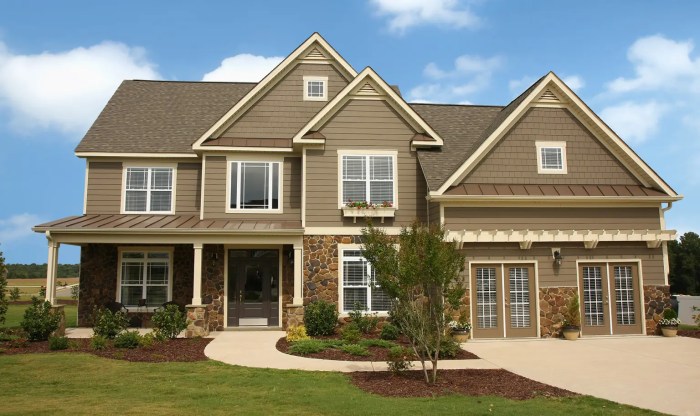
Selecting the ideal siding for your house involves careful consideration of several key factors. The right choice will not only enhance your home’s curb appeal but also protect it from the elements for years to come. This decision depends on your budget, the local climate, and your personal aesthetic preferences. Let’s break down how to make the best choice for your specific needs.
A Decision Tree for Siding Selection
Deciding on siding can feel overwhelming. This decision tree simplifies the process, guiding you through the key considerations step-by-step. Start by assessing your budget. If your budget is limited, you’ll likely focus on more affordable options like vinyl or fiber cement. If budget is less of a concern, higher-end choices like wood or stone veneer become viable. Next, consider your climate. In areas with harsh winters, materials resistant to ice and snow damage are essential. In humid climates, you’ll want to prioritize siding that resists moisture damage and mold growth. Finally, think about your home’s architectural style and your desired aesthetic. Certain siding materials complement specific architectural styles better than others.
Siding Choices and Architectural Styles
The right siding can significantly enhance a home’s architectural style. Here are some examples of how siding complements different house styles:
- Traditional Colonial Home: Classic clapboard siding in wood (cedar or painted wood) or vinyl mimicking the look of wood creates a timeless and elegant appearance. The vertical lines of the clapboard accentuate the home’s height and structure.
- Modern Farmhouse: Fiber cement siding in a clean, neutral color palette, or even board and batten siding, complements the simple lines and functionality of a modern farmhouse. The texture and subtle variations in the color of fiber cement can add visual interest without being overly ornate.
- Craftsman Bungalow: Shingle siding, either wood or composite, provides a rustic charm that is characteristic of Craftsman-style homes. The varied textures and overlapping patterns of shingles add visual warmth and depth.
- Contemporary Home: Smooth, horizontal siding, such as metal panels or stucco, creates a sleek and minimalist look that suits contemporary architecture. The clean lines and lack of ornamentation are key elements of this style.
Questions to Ask Siding Contractors
Choosing a reputable contractor is crucial for ensuring proper installation and long-lasting results. Before committing to a project, it’s important to ask your contractor several key questions.
- What is your experience with the specific type of siding I’ve chosen? This ensures they have the necessary expertise for the job.
- Can you provide references from previous clients? Checking references allows you to assess the contractor’s reliability and the quality of their work.
- What is your warranty policy on both materials and labor? A comprehensive warranty protects your investment and guarantees the quality of work.
- What is your detailed process for installing the siding, including preparation and cleanup? Understanding the process helps you ensure a professional and thorough installation.
- What permits are required for this project, and will you obtain them? This clarifies the legal aspects of the installation and ensures compliance with local regulations.
- What is your detailed quote, including all materials, labor, and potential additional costs? A clear and detailed quote prevents unexpected expenses.
Closing Notes
Source: residencestyle.com
Selecting the most durable siding for your house is a crucial step in protecting your investment and ensuring your home’s long-term beauty. By carefully considering factors like material lifespan, maintenance requirements, initial and ongoing costs, and your personal aesthetic preferences, you can make a confident decision. Remember to consult with experienced contractors and ask the right questions to guarantee a proper installation that maximizes your siding’s durability and enhances your home’s curb appeal for years to come. Happy siding shopping!
FAQ Corner
What is the average lifespan of different siding materials?
Lifespans vary greatly. Wood siding might last 15-30 years, vinyl 20-40, fiber cement 50+ years, and metal even longer, depending on the material and quality.
Can I install the siding myself, or should I hire a professional?
While some DIY projects are possible, siding installation is complex and best left to professionals. Improper installation can void warranties and lead to premature damage.
How often should I clean my siding?
Frequency depends on the material and your climate. A yearly cleaning with a pressure washer (low pressure!) or simple soap and water is usually sufficient for most sidings.
What are some signs that my siding needs repair or replacement?
Look for cracks, holes, warping, discoloration, or significant damage from weather events. Addressing these issues promptly prevents larger, more costly problems later.
How much does siding installation typically cost?
Costs vary greatly based on material, house size, and labor rates. Get multiple quotes from reputable contractors for accurate pricing.