Cost of New Siding and Windows A Homeowners Guide
The cost of new siding and windows is a significant investment, but understanding the factors that influence the final price can help you budget effectively. This guide breaks down the costs associated with replacing your home’s exterior, from materials and labor to permits and potential extras. We’ll explore different siding and window options, highlighting their pros, cons, and price ranges to help you make informed decisions.
We’ll cover everything from choosing the right materials and contractors to navigating the permitting process and negotiating prices. By the end, you’ll have a clear picture of what to expect and how to manage your budget for a successful home renovation project. Whether you’re tackling a small project or a complete overhaul, this guide will equip you with the knowledge you need to make smart choices.
Material Costs
Replacing your siding and windows is a significant investment, and understanding the material costs is crucial for budgeting. Prices vary widely depending on the materials chosen, their quality, and your location. This section breaks down the average costs and factors influencing the final price.
Siding Material Costs
Choosing the right siding material significantly impacts the overall cost of your project. Different materials offer varying levels of durability, maintenance requirements, and aesthetic appeal. The following table provides a general overview of average costs. Remember that these are estimates, and actual prices can fluctuate based on your region, supplier, and specific product features.
| Material | Average Cost per Square Foot | Pros | Cons |
|---|---|---|---|
| Vinyl | $3-$12 | Affordable, low maintenance, variety of colors and styles | Can be easily damaged, less durable than other options, and may fade over time |
| Fiber Cement | $7-$15 | Durable, fire-resistant, low maintenance, realistic wood appearance options | More expensive than vinyl, requires professional installation |
| Wood | $10-$30+ | The classic look can be painted or stained, durable if properly maintained | High maintenance, susceptible to rot, insect damage, and weather |
| Aluminum | $5-$15 | Durable, low maintenance, fire-resistant, energy-efficient options available | Can dent easily, limited color options compared to vinyl, and may not be aesthetically pleasing to all. |
Price variations within each siding category are substantial. For instance, vinyl siding ranges from basic, inexpensive options to premium lines with enhanced durability, thicker profiles, and more realistic wood grain textures. Similarly, fiber cement siding can vary significantly based on the manufacturer, thickness, and whether it’s pre-finished or requires on-site painting. High-end wood siding, such as cedar or redwood, will cost considerably more than standard pine. These differences reflect the material’s quality, longevity, and aesthetic appeal.
Window Material Costs, Cost of new siding and windows
Window costs depend greatly on the type of window, its size, and its energy efficiency features. Here’s a comparison of common window types:
The cost of different window types can vary considerably, influenced by factors like material, features, and size. Larger windows naturally increase costs, as do windows with more complex designs, such as bay or bow windows.
- Double-hung windows: Generally the most affordable option, offering good ventilation.
- Casement windows: Often more expensive than double-hung, but offer superior energy efficiency due to tighter seals.
- Sliding windows: A mid-range option in terms of cost and energy efficiency.
- Bay/bow windows: The most expensive option due to their size and complex construction.
Window Size and Energy Efficiency
Window size directly impacts cost. Larger windows require more materials and labor for installation, resulting in higher expenses. Energy efficiency ratings, represented by the U-factor (heat transfer) and SHGC (solar heat gain coefficient), also influence cost. Windows with higher energy efficiency ratings (lower U-factor and SHGC) are generally more expensive but can significantly reduce your energy bills over time. For example, a large, triple-pane window with argon gas fill and low-E coatings will cost more than a smaller, single-pane window, but the long-term savings in heating and cooling costs can offset the initial investment. Consider this a long-term investment in energy efficiency.
Labor Costs
Labor costs for siding and window installation are a significant portion of your overall project expense. Understanding the factors that influence these costs will help you budget effectively and make informed decisions. These costs aren’t just about the hourly rate; they’re shaped by a complex interplay of project specifics.
Several factors significantly impact the labor costs associated with siding and window installation. Project size is a major player; larger projects naturally require more time and therefore more labor. The complexity of the project also matters – intricate designs, difficult-to-access areas, or the need for specialized techniques will increase labor costs. Location plays a role too; projects in remote areas may involve additional travel time and expenses for the contractors. Finally, the experience and reputation of the contractor are key; more experienced and reputable contractors often charge higher rates, reflecting their expertise and the quality of their work. A less experienced contractor might seem cheaper upfront but could lead to higher costs down the line due to mistakes or rework.
Siding Installation Labor Costs by Method
Different siding installation methods have varying labor intensities. The table below compares labor costs for three common methods: Vinyl, Wood, and Fiber Cement.
| Installation Method | Labor Cost per Square Foot (Range) | Factors Affecting Cost | Typical Installation Time (per 100 sq ft) |
|---|---|---|---|
| Vinyl Siding | $1.50 – $4.00 | Complexity of design, existing siding removal, wall preparation | 8-12 hours |
| Wood Siding | $3.00 – $7.00 | Wood type, complexity of design, need for custom cuts, painting/staining | 12-18 hours |
| Fiber Cement Siding | $4.00 – $8.00 | Material weight, precise cutting requirements, potential for specialized tools | 15-20 hours |
Note that these are ranges, and actual costs can vary based on the factors mentioned earlier.
Typical Labor Costs per Square Foot and Window
While the table above focuses on siding, it’s also important to understand window installation labor costs. These are typically quoted per window, rather than per square foot.
Expect to pay anywhere from $75 to $200 per window for professional window installation. This variation depends on the window type (e.g., double-hung, casement), size, and the complexity of the installation (e.g., needing to modify existing framing).
For siding, a reasonable range for labor costs is $2 to $6 per square foot. This broad range accounts for the differences in siding material and project complexity.
DIY vs. Professional Installation: Cost Savings and Risks
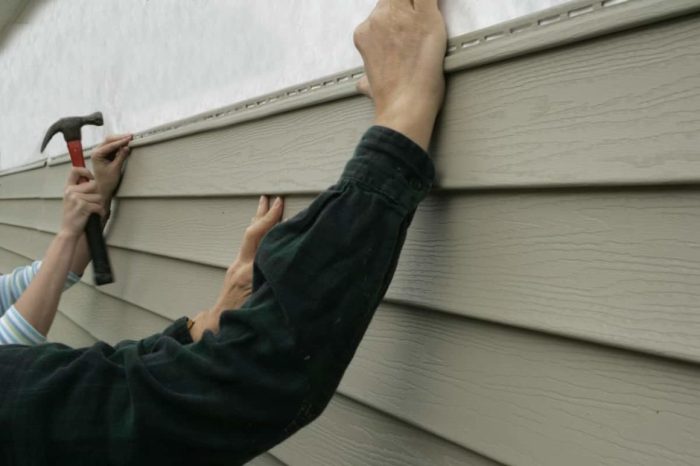
DIY installation can seem appealing for significant cost savings, but it’s crucial to weigh the potential risks and time investment. While you’ll save on labor costs, you might spend more time on the project than anticipated. Improper installation can lead to issues like water damage, drafts, and reduced energy efficiency, ultimately costing more in repairs down the line. For example, incorrectly installed siding can lead to leaks and rot, requiring extensive and expensive repairs. Similarly, improperly installed windows can compromise the home’s insulation, leading to higher energy bills. Professional installers have the experience and expertise to ensure a proper installation, minimizing these risks.
Consider your skills and experience before attempting a DIY project. If you lack experience, the time saved might be negligible, and the risk of costly mistakes is substantial. For complex projects or those involving specialized materials, professional installation is almost always the better option.
Permitting and Other Fees
Source: spirit.homes
Replacing your siding and windows is a significant home improvement project, and the total cost extends beyond just materials and labor. Permitting fees and other miscellaneous expenses can add up quickly, so it’s crucial to factor them into your budget from the start. Understanding these costs will help you avoid unexpected financial surprises during your renovation.
Permitting fees vary widely depending on your location and the specifics of your project. The size of your home, the type of materials used, and the complexity of the work all play a role in determining the final cost. Additionally, some municipalities have stricter regulations than others, leading to higher fees or more extensive application processes. Unexpected issues, like needing additional demolition or repairs, can also significantly impact the final cost.
Permitting Fees
Permitting fees are essentially the costs associated with obtaining the necessary legal authorization to undertake your home improvement project. These fees cover the administrative work of processing your application, inspections conducted by the local authorities to ensure compliance with building codes, and the overall management of the permitting process. Examples include building permits, demolition permits (if applicable), and potentially plumbing or electrical permits if those systems are affected by the work. The specific fees vary greatly by location; a simple window replacement might cost a few hundred dollars, while a large siding project could easily exceed a thousand. Always check with your local building department for exact costs and requirements.
Disposal Fees
Removing old siding and windows generates a considerable amount of waste. Disposal fees cover the cost of properly disposing of these materials, which often involves hauling them to a designated landfill or recycling center. These fees depend on the volume of waste generated, the type of material (e.g., vinyl siding is often easier to recycle than wood), and the distance to the disposal site. For a typical home, you might expect to pay several hundred dollars for disposal.
Other Potential Expenses
Beyond permitting and disposal, other unforeseen costs can arise. These might include:
- Demolition Costs: If your existing siding or windows are difficult to remove, you might need to pay extra for specialized demolition services. This is especially true for older homes with stubborn materials or intricate framing.
- Repair Costs: During the removal process, you may uncover underlying damage that requires repair before new siding or windows can be installed. This could include rotted wood, damaged framing, or other structural issues.
- Engineering Fees (in some cases): For complex projects or those involving structural changes, you might need to hire an engineer to prepare plans and specifications, adding to the overall expense.
- Inspection Fees (beyond permit fees): While some inspections are included in the permit fees, additional inspections might be necessary depending on the project’s complexity or if issues arise during construction.
These additional expenses are difficult to estimate precisely without a thorough assessment of the existing structure. However, budgeting an additional 10-20% of the total project cost for unforeseen issues is a prudent approach. For example, a $10,000 project might require an additional $1,000-$2,000 for unexpected repairs or complications.
Factors Influencing Overall Cost
Source: windows.net
Getting new siding and windows is a big investment, and the final price tag depends on several key factors. Understanding these factors will help you budget effectively and make informed decisions during the planning process. Let’s break down the elements that significantly influence the overall cost of your project.
Material Cost Comparisons
Choosing your siding and window materials is a major determinant of the project’s total cost. For example, a project using high-end fiber cement siding and triple-pane windows will be considerably more expensive than one using vinyl siding and double-pane windows. Let’s compare hypothetical scenarios: Scenario A uses vinyl siding and double-pane vinyl windows, resulting in a lower initial cost. Scenario B uses fiber cement siding and triple-pane windows with upgraded frames, leading to a higher upfront cost but potentially greater long-term savings. The difference in material cost alone could be thousands of dollars, significantly affecting the overall project budget.
Project Size and Cost
The size of your home directly impacts the overall cost of siding and window replacement. Larger homes require more materials and labor, naturally increasing the expense. A simple graph could illustrate this relationship: Imagine a line graph with “Project Size (Square Footage)” on the x-axis and “Total Cost” on the y-axis. The line would show a positive correlation—as square footage increases, so does the total cost. This relationship isn’t perfectly linear; factors like the complexity of the home’s design will influence the slope of the line. For example, a 2000 sq ft ranch-style home might cost less than a 1500 sq ft Victorian home due to the increased labor required for the more intricate design of the Victorian.
Customization and Cost
Adding custom features significantly increases the cost. Elaborate trim details, specialized window shapes (like arched or bay windows), or intricate window grilles all add to both material and labor expenses. For instance, choosing custom-milled trim to match existing architectural details on your home will be more expensive than opting for standard trim. Similarly, adding features like built-in blinds or self-cleaning glass to your windows will increase the price compared to standard windows. These customizations, while enhancing the aesthetic appeal, represent a substantial increase in the overall project cost.
Long-Term Energy Savings
Investing in energy-efficient windows and siding can lead to significant long-term cost savings. Energy-efficient windows, such as those with low-E coatings and multiple panes, reduce heat transfer, lowering your heating and cooling bills. Similarly, high-performance siding materials offer superior insulation, further reducing energy consumption. While the initial investment might be higher, the cumulative savings on utility bills over the lifetime of the windows and siding can offset the increased upfront cost. For example, a homeowner might see a $500-$1000 annual reduction in energy costs after upgrading to energy-efficient windows and siding, potentially saving tens of thousands of dollars over 10-15 years. This long-term return on investment should be a key factor in your decision-making process.
Finding and Choosing Contractors: Cost Of New Siding And Windows
Source: amazonaws.com
Replacing your siding and windows is a significant investment, so choosing the right contractor is crucial for a successful project. This section will guide you through the process of finding and selecting a reliable and competent contractor who will deliver quality workmanship within your budget.
Contractor Selection Checklist
Before you even think about getting bids, it’s important to have a clear understanding of what you need from a contractor. A well-structured set of questions will help you assess their qualifications and suitability. This checklist provides key areas to explore during your initial consultations.
- Years of experience in siding and window installation.
- Number of similar projects completed (with references available).
- Licensing and insurance information (including worker’s compensation).
- Detailed breakdown of labor and material costs.
- Warranty information for both materials and workmanship.
- Project timeline and anticipated completion date.
- Process for handling unexpected issues or changes.
- Their approach to communication and project updates.
- Customer testimonials or reviews from previous clients.
- Their process for obtaining necessary permits and inspections.
Obtaining and Comparing Multiple Bids
Getting at least three bids from different contractors is a standard practice in the home improvement industry. This allows for a fair comparison of pricing and services. However, simply comparing the bottom line isn’t enough. You need to carefully examine the details of each bid.
To effectively compare bids, create a spreadsheet. List each contractor’s name, and total cost, and then break down the costs into individual components: materials, labor, permits, etc. This allows for a clear apples-to-apples comparison, ensuring you’re not just looking at the final price tag but also understanding the value proposition of each contractor. For example, a slightly higher bid might include superior materials or a longer warranty, ultimately offering better long-term value.
Verifying Contractor Licenses and Insurance
Verifying a contractor’s license and insurance is a critical step to protect yourself from potential problems. Unlicensed contractors may not adhere to building codes, and a lack of insurance could leave you responsible for any accidents or damages that occur during the project. Contact your state’s licensing board to verify the contractor’s license and ensure it’s current and valid. Request proof of liability and worker’s compensation insurance. Don’t hesitate to ask for copies of their certificates of insurance.
Negotiating Prices with Contractors
Negotiating is often part of the process. Once you’ve received and compared bids, you can use them as leverage to negotiate. Don’t be afraid to politely discuss pricing with each contractor, highlighting any discrepancies or areas where you feel the cost is too high. Remember, you’re not just negotiating price, but also value—the quality of materials, the warranty, and the contractor’s reputation all play a role in the overall value proposition. For example, you might negotiate a lower price by agreeing to purchase certain materials yourself, or by choosing a slightly less expensive, but still high-quality, option.
Ending Remarks
Source: windows.net
Replacing your siding and windows is a big decision, impacting both your home’s aesthetics and energy efficiency. By carefully considering material costs, labor expenses, permits, and potential add-ons, you can create a realistic budget and timeline. Remember to get multiple bids from reputable contractors, compare their offerings thoroughly, and don’t hesitate to ask questions. With careful planning and the right information, you can transform your home’s exterior while staying within your budget and enjoying the long-term benefits of increased curb appeal and energy savings.
Commonly Asked Questions
What is the lifespan of different siding materials?
Vinyl siding typically lasts 20-30 years, fiber cement 30-50 years, wood 20-40 years (depending on maintenance), and aluminum 30-50 years.
Can I finance my siding and window replacement?
Yes, many contractors offer financing options or you can explore home improvement loans through banks or credit unions. Shop around for the best interest rates and terms.
How long does a siding and window replacement project take?
Project timelines vary greatly depending on the size of your home and the complexity of the work. Expect a range of several days to several weeks for a typical project.
What is the best time of year to replace siding and windows?
Spring and fall are generally ideal, offering moderate weather conditions that are more conducive to installation.
Do I need to be home during the installation process?
It depends on the contractor and the scope of work, but regular communication with the contractor is essential to address any questions or concerns that arise.